Concerned about termites in Toronto? We provide swift, discreet detection of termite evidence including mud tubes, damaged wood, droppings, and wings, with thorough entry point and moisture evaluations designed for local climate patterns and landscaping conditions. We perform structured inspections, documented evidence with photos, and specialized solutions following local bylaws. We implement safety-conscious procedures, controlled drilling operations, and discrete vehicles for minimal visibility. You'll receive regular inspections, gap management, and dampness prevention to minimize risks and meet safety standards - discover how we safeguard your property today.
Key Takeaways
- Detailed termite examinations of structural foundations, crawl spaces, utility entry points, and moisture-susceptible zones, featuring visual documentation and comprehensive site diagrams.
- Our treatment approach features specialized applications including subterranean bait installations, precise termiticide applications to problem zones, and careful wood applications following Canadian regulatory requirements.
- Preventive maintenance and inspection protocols: fix and seal structural gaps, maintain 6-8 inches ground-to-wood separation, control moisture content, and set up periodic seasonal checks with GPS-designated control stations.
- Professional and confidential assistance for residential and commercial properties: featuring plain vehicles, flexible scheduling, family-friendly installations, HEPA-contained drilling, and full municipal bylaw compliance.
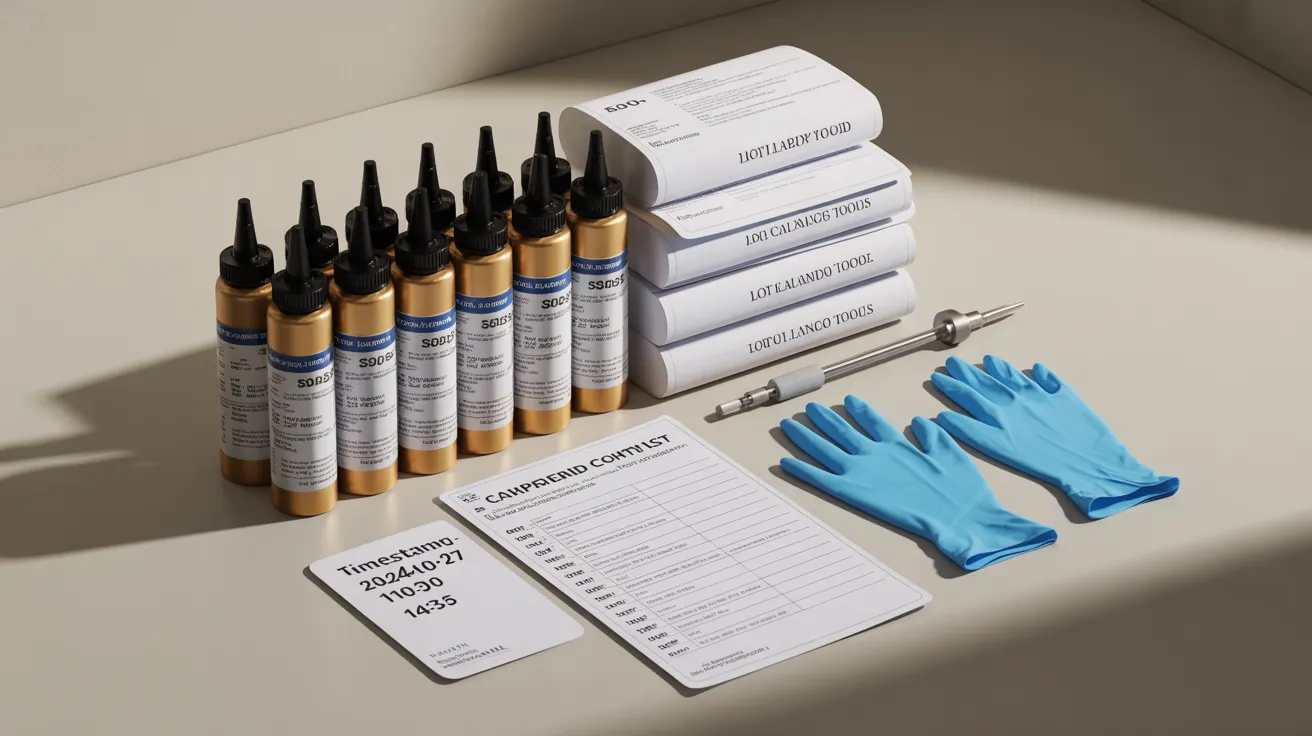
- Detailed records furnished including product information, chain-of-custody records, safety data sheets, lot tracking, exposure protocols, along with completion timeframes and protective sealing suggestions.
Common Indicators of Termite Problems in Toronto Houses
Even though termites tend to hide, you may notice early indicators before major structural problems develop. Look for slender mud tubes running along foundations, joists, and sill plates. Test suspicious wood with a screwdriver; it could be hollow-sounding or soft. Spotting discarded, uniform wings near window sills or light fixtures signals a recent swarm. Look out for small frass deposits or gentle swelling across drywall and floor surfaces.
Outside, check for muddy footprints or soil marks near entry points, specifically where soil level meets the siding. In basement areas and crawl spaces, check ventilation and track relative humidity. If you've installed moisturemeters, record any readings over 20%, which may indicate favorable conditions and hidden galleries.
For protection, do not disturb impacted locations. Take pictures of evidence, identify the spots, and contact a qualified pest management expert for an evaluation in accordance with Ontario regulations.
How Regional Factors Influence Pest Populations
The freeze-thaw conditions in Toronto, combined with saturated soils, mature residential structures, and concentrated urban vegetation produce perfect environments for pest and termite problems. Your property faces increased threats since repeated thaw cycles create foundation and mortar damage, allowing below-grade pest entry. Water-logged clay ground sustain capillary moisture that sustains termite foraging tubes and accelerates wood decay. Urban heat islands increase soil temperature, extending insect activity windows and reducing winter dormancy.
Aging infrastructure and outdated utilities create pathways through damaged baseboards, leaking pipes, and traditional stone foundations that establish hidden moisture and cellulose interfaces. Dense mulch deposits near exterior surfaces maintain moisture at ground-level wood contacts. Heavy rains exceed drainage capacity, driving unwanted creatures toward structures. Following Ontario building and health standards, prioritize water control, barrier integrity, and appropriate greenery setbacks to manage these property-related concerns.
Our Comprehensive Inspection and Treatment Process
The unique pressures in Toronto call for a systematic approach, therefore our team adheres to a thorough evaluation and treatment system that meets Ontario Building Code and public health guidelines. First, we conduct a detailed evaluation of: foundation exterior, sill plates, service entry points, crawlspaces, and humidity-risk areas. We document timber deterioration, live activity, contributing factors, and entry points, then map results to a property layout.
You are given a risk-ranked action report with safety documentation and product information. When conditions permit, we position strategic bait stations at regulated spacing, using secure bait stations and surveillance units. For active galleries, we administer specific pest control solutions to structural gaps and ground interfaces, adhering to label rates and setback requirements. We manage ventilation, contain dust, and secure people, animals, and plants while maintaining chain-of-custody records and photo documentation.
Prevention Plans and Year-Round Monitoring
Since termite presence in Toronto changes with moisture cycles and soil temperatures, it's essential to have a prevention approach that pairs structural reinforcement with year-round surveillance under Ontario and federal pesticide regulations. Begin by closing slab cracks, utility access points, and sill plates; maintain 6-8 inches of separation between soil and wood. Match these actions with moisture management: repair plumbing leaks, aim downspouts 2-3 meters from the foundation, and keep crawlspace humidity below 60% with vapor barriers.
Coordinate periodic check here assessments timed with annual weather transitions. Install in-ground monitoring stations according to specified distances and mark GPS coordinates for consistent data. Record activity thresholds, bait consumption, and environmental factors. Adjust interventions to IPM principles, emphasizing minimal-risk approaches and detailed recordkeeping to meet Ontario PMRA and WHMIS requirements.
Confidential and Safe Solutions for Homes and Businesses
Often, you need termite control that safeguards occupants, animals, and daily activities without drawing attention. We design discrete methods that adhere to Ontario and federal pest control regulations, emphasize occupant safety, and maintain business continuity. You get confidential inspections, private consultations, and after-hours scheduling to reduce interference.
We employ targeted baiting systems, HEPA-certified drilling, and localized wood treatments confirmed with product labels and Safety Data Sheets. Our child safe treatments and pet-friendly placement adhere to re-entry intervals and ventilation requirements. Technicians use discrete service vehicles and secure waste handling according to local regulations.
We thoroughly track every step: location hazard assessment, product batch numbers, and containment procedures. We provide easy-to-understand reports, completion schedules, and preventative sealing guidelines-maintaining discreet, compliant, and efficient termite elimination without drawing attention to the process.
Frequently Asked Questions
What Effect Do Termite Treatments Have on Home Resale Value and Disclosure Requirements?
Documenting termite treatments can protect property value, but past termite activity could affect resale potential and trigger disclosure requirements. Disclosure of existing damage, previous activity, and repairs is mandatory; buyers typically request treatment documentation, permits, warranties, and clearance certificates. Employ licensed specialists, comply with safety standards, and preserve thorough records of treatments, dates, and ongoing monitoring. Pre-sale inspections and transferable warranties can reduce stigma, support financing requirements, and facilitate property evaluations and transactions.
Does Standard Home Insurance in Toronto Cover Termite Damage?
Standard home insurance policies in Toronto typically don't cover termite damage. Insurance providers classify this as preventable maintenance, typically excluded from basic coverage. Make sure to check your policy wording and endorsements, as most policies exclude gradual pest-related deterioration. Keep thorough maintenance logs and schedule regular inspections to demonstrate proper care. Though insurance may cover an infestation leads to sudden structural damage, such cases are uncommon. Consult with your insurance advisor and adhere to Ontario's disclosure regulations.
Which Licenses and Certifications Are Needed for Toronto Termite Companies?
A qualified pest control service in Toronto should possess a valid Ontario pesticide operator licence and have certified technicians operating under IPM standards, and use licensed inspectors qualified for the Structural Pest Management scope. Make sure to check the company's WSIB coverage, liability insurance, and WHMIS/GHS training. Verify that all technicians have up-to-date MOECP certifications and strictly follow label, drift, and notification protocols. Obtain written inspection reports, treatment records, and safety data sheets. Verify their adherence to municipal bylaws and waste-disposal regulations.
Are You Able to Work With Property Managers and Condo Associations?
Yes indeed, we coordinate with property management teams with meticulous attention to detail. We provide smooth Board Coordination, detailed scopes, and compliant communications. We handle scheduling access, keys, fobs, and resident notices to comply with bylaws and fire code requirements. We ensure WSIB/COI, maintain IPM protocols, and handle safety signage. We deliver service documentation, Material Safety Data Sheets, and treatment summaries to ensure compliance and safety for all parties.
Do You Offer Financing or Payment Plans for Extensive Termite Work?
Indeed. We provide payment arrangements for comprehensive termite work, subject to credit approval and written agreement terms. We'll outline incremental billing matching inspection and treatment stages, with flexible pricing based on scope and building size. We disclose all fees, follow provincial consumer protection rules, and copyright safety standards. You'll be given itemized estimates, warranties, and MSDS/label documentation, and you can pay via ACH, credit card, or certified draft.
Final Thoughts
You've noticed the warning signs-mud tubes resembling tiny highways, wood that echoes when struck, sawdust resembling ground pepper. Don't hesitate for the silent destroyers to damage your investment. With Toronto's fluctuating moisture levels and aging buildings, you require an comprehensive plan that assesses, addresses, and supervises year-round. We strictly follow product guidelines, integrated pest management standards, and local regulations to safeguard families, animals, and homes. Opt for unobtrusive, scientifically-backed termite management that secures vulnerable areas and keeps watch like a sentinel at your foundation.
Comments on “Toronto Pest Defense Services”